
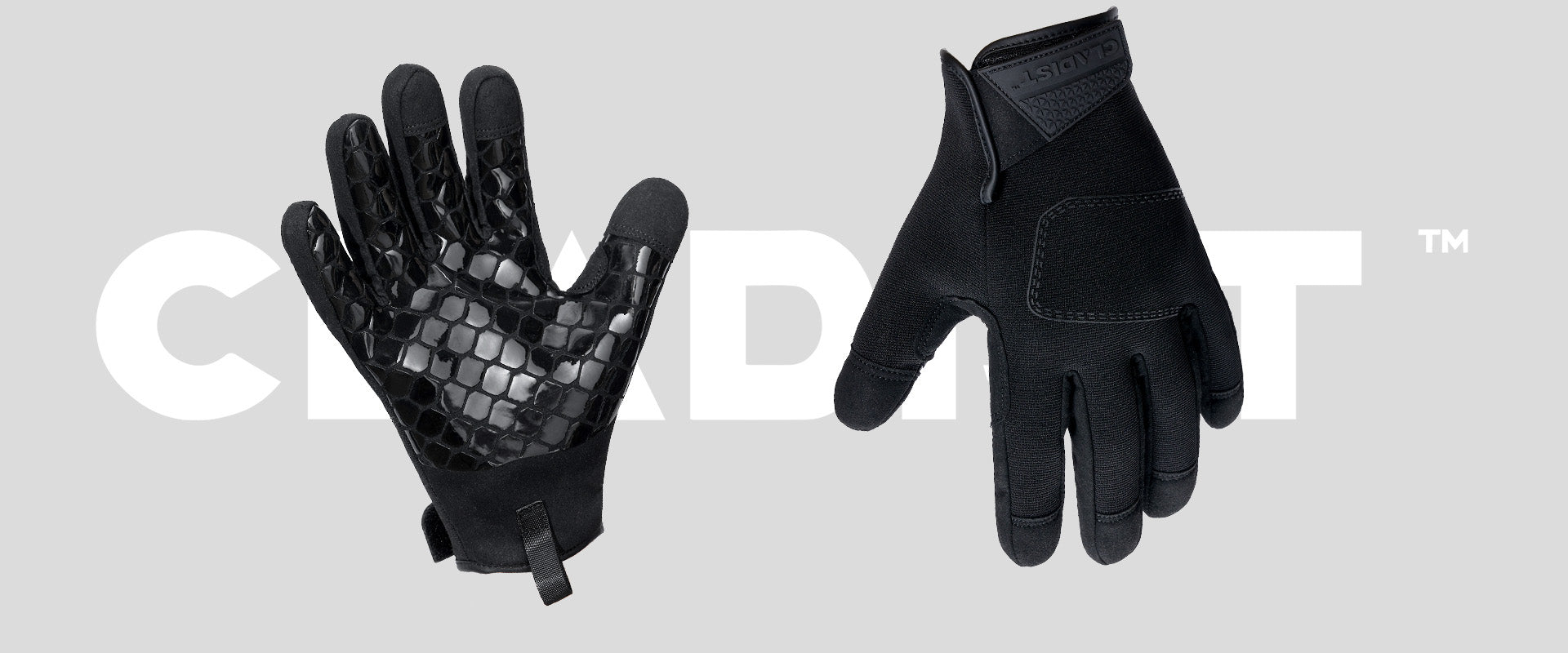
Most people associate serious hand injuries with factories, construction sites, or heavy industrial work.
But many injuries happen somewhere much more ordinary.
A garage. A backyard. A workshop. A weekend DIY project.
The reality is simple:
Sharp tools do not become less dangerous just because the environment feels familiar.
Everyday Tools Still Create Serious Risk
Many common household and outdoor tasks involve the same hazards found in professional work environments.
Examples include:
- Utility knives
- Pruning shears
- Rotary tools
- Grinders
- Glass edges
- Metal sheets
- Splintered wood
- Thorn bushes
In many cases, occasional users are actually more vulnerable than professionals because they are less accustomed to repetitive tool safety and hand positioning.
Most people simply do not expect risk during everyday work.
And that is exactly when mistakes happen.
Why Ordinary Gloves Often Fail
Many standard gloves were never designed to handle concentrated cutting or puncture force.
Thin cotton gloves improve comfort. Basic garden gloves reduce dirt and scratches. Latex gloves protect against moisture.
But none of these materials are engineered to manage sharp penetration pressure.
When force concentrates into a very small contact point, ordinary materials fail quickly.
That becomes especially important during:
- Gardening
- Woodworking
- DIY repair
- Garage work
- Tool handling
- Glass handling
The problem is not only sharpness.
It is force concentration.
Why Modern Hand Protection Is Changing
For years, high cut resistance gloves were associated mainly with industrial workers.
Today, that is changing.
Modern ANSI A9 gloves are increasingly being used by gardeners, DIY users, woodworkers, landscapers, and workshop hobbyists who want professional-level protection without sacrificing flexibility.
The shift is happening because modern protection systems are no longer designed around thickness alone.
Advanced composite structures now focus on force management, grip stabilization, and flexibility.
That means gloves can provide significantly higher protection while remaining wearable during real tasks.
Grip Control Is Also Part of Safety
Many injuries do not happen because a glove fails.
They happen because control fails first.
Sweat, smooth tools, unstable grip angles, and repetitive movement can all redirect force toward the hand unexpectedly.
That is why modern glove engineering increasingly treats grip stability as part of the protection system itself.
Better control reduces unstable movement.
And better control often reduces injury risk.
Serious Protection Is No Longer Only for Industrial Work
Modern hand protection is evolving beyond the traditional factory environment.
Because sharp tools, cutting edges, puncture hazards, and abrasive materials exist almost everywhere people work with their hands.
And in many cases, the biggest risk is not heavy machinery.
It is underestimating everyday tools.
Share:
Why Modern ANSI A9 Gloves Depend on Force Management — Not Just Thicker Materials
Cut Resistance vs Puncture Resistance: Why They Are Not the Same