
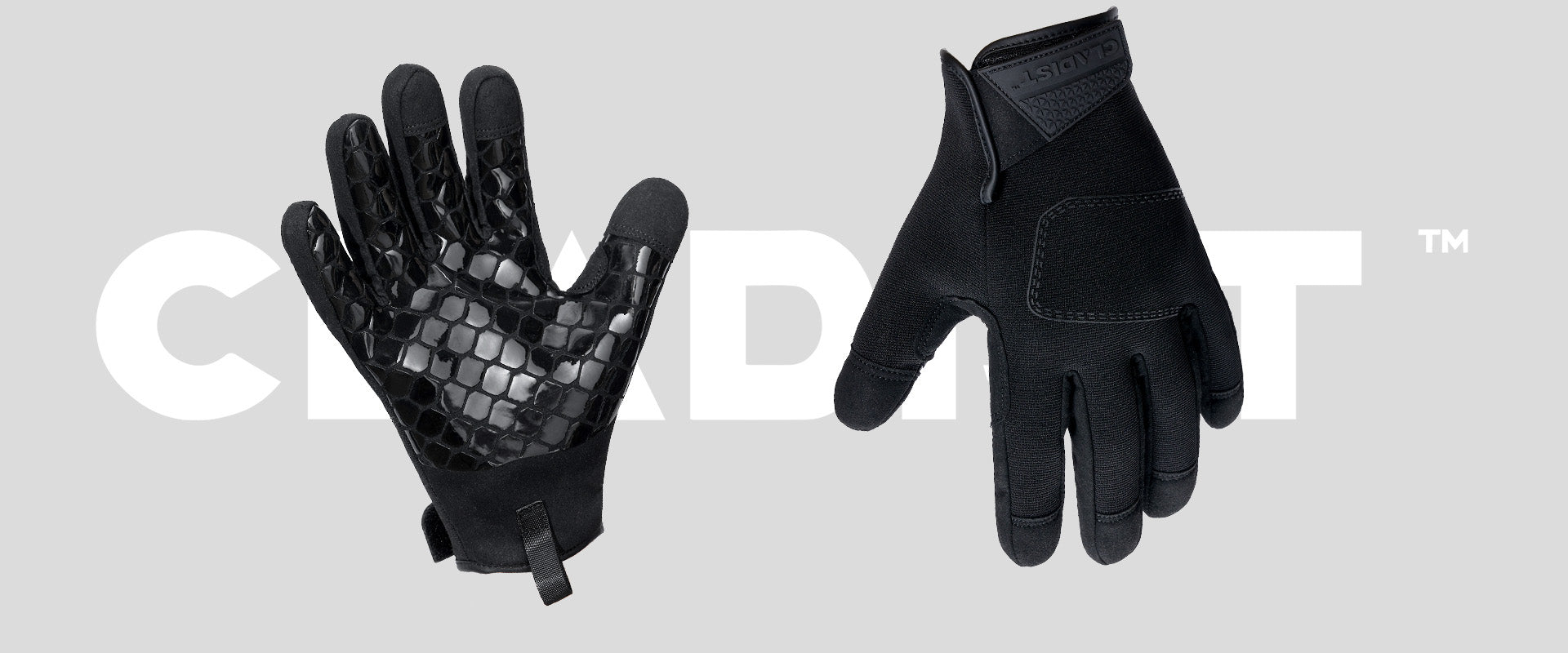
Many people assume that cut resistant gloves automatically provide strong puncture protection.
In reality, these are two very different forms of protection.
A glove may perform well against slicing force while still remaining vulnerable to needles, thorns, splinters, or concentrated penetration pressure.
Understanding the difference is important because real-world hand injuries rarely involve only one type of hazard.
Cut Force and Puncture Force Behave Differently
Cut resistance is designed to reduce damage caused by slicing motion across a glove surface.
Examples include:
- Utility blades
- Sharp glass
- Metal edges
- Cutting tools
In these situations, force moves laterally across the material.
Puncture resistance works differently.
Needles, thorns, wire ends, and splinters concentrate pressure into an extremely small point.
Instead of sliding across the glove, the force pushes directly into the material.
Because the pressure is much more concentrated, puncture protection requires a different engineering approach.
Why Some Cut Resistant Gloves Still Fail
Traditional anti-cut gloves often rely heavily on dense high-strength fibers designed to resist slicing motion.
These materials can perform well against blades while still remaining vulnerable to sharp-point penetration.
This is why some cut resistant gloves can still be pierced by:
- Needles
- Sharp branches
- Splinters
- Wire ends
- Metal fragments
The issue is not always material strength.
It is how pressure concentrates.
Why Modern Gloves Use Composite Structures
Modern protective gloves increasingly use layered composite systems designed to manage multiple forms of mechanical stress simultaneously.
Instead of depending only on thicker materials, advanced structures redistribute localized force across surrounding layers.
This helps reduce direct penetration pressure while maintaining flexibility.
That balance is especially important in environments involving:
- Gardening
- Landscaping
- Woodworking
- DIY repair
- Garage work
- Outdoor tools
Because these environments often combine cutting hazards with puncture risks.
Share:
Why Most Hand Injuries Happen During Everyday Work — Not Industrial Jobs
Why Grip Stability Is One of the Most Overlooked Parts of Hand Protection